
Teaching Strategies

How to Train Students to Help Each Other (Without Chaos): A Step-By-Step Guide

Having student helpers in the classroom can save you time, energy, and effort. But setting up a system like this takes some preparation and planning.  This type of peer tutoring classroom structure is a simple but powerful peer teaching strategy that builds independence while reducing constant teacher interruptions. Use the steps in this guide to […]

How to Train Students to Help Each Other (Without Chaos): A Step-By-Step Guide Read More »

How to Help Students Work Independently (Because You Can’t Help Every Student at Once)

Being a teacher means not just teaching content. It also means figuring out how to help students work independently and take responsibility for their own learning, even when they’d much rather rely on you for every answer. This is not just to help students grow into productive members of society; it’s also a defense mechanism

How to Help Students Work Independently (Because You Can’t Help Every Student at Once) Read More »

5 Classroom Transition Strategies That Actually Work (Grades 4-8)

If classroom transitions in your upper elementary or middle school class feel chaotic, you’re not imagining it. Many teachers assume students already know how to move quickly between activities, put supplies away, and start the next task without reminders. In reality, many students have never been explicitly taught these skills. The result? Transitions that take

5 Classroom Transition Strategies That Actually Work (Grades 4-8) Read More »

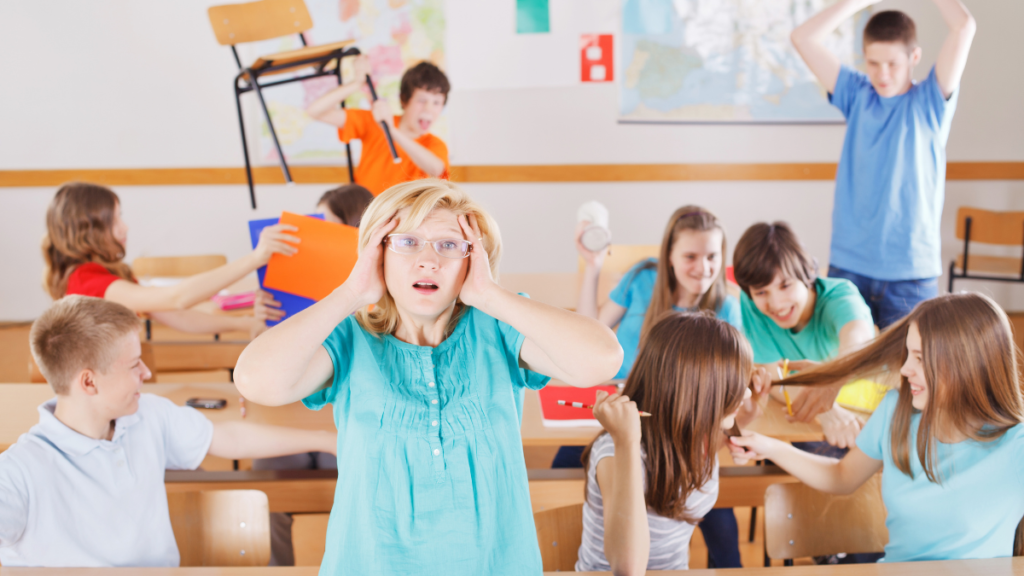
What to Do When Students Won’t Do Their Work in Class (Grades 4–8)

As a teacher, you spend countless hours planning lessons and preparing work that will guide students along the path to understanding. This makes it especially frustrating when students won’t do their work. You can see the clear connection between this worksheet or that assignment and the larger understanding that your students will achieve. When students

What to Do When Students Won’t Do Their Work in Class (Grades 4–8) Read More »

How to Teach Responsibility in the Upper Elementary Classroom (Without Behavior Charts That Fizzle Out)

Here’s a truth bomb for your Tuesday (or whenever you read this): You can’t teach responsibility in a day. In upper elementary classrooms, responsibility usually shows up as students following directions, managing their behavior, and getting their work done without constant reminders. You can create the world’s best-designed mini-lesson. You can introduce it and teach

How to Teach Responsibility in the Upper Elementary Classroom (Without Behavior Charts That Fizzle Out) Read More »

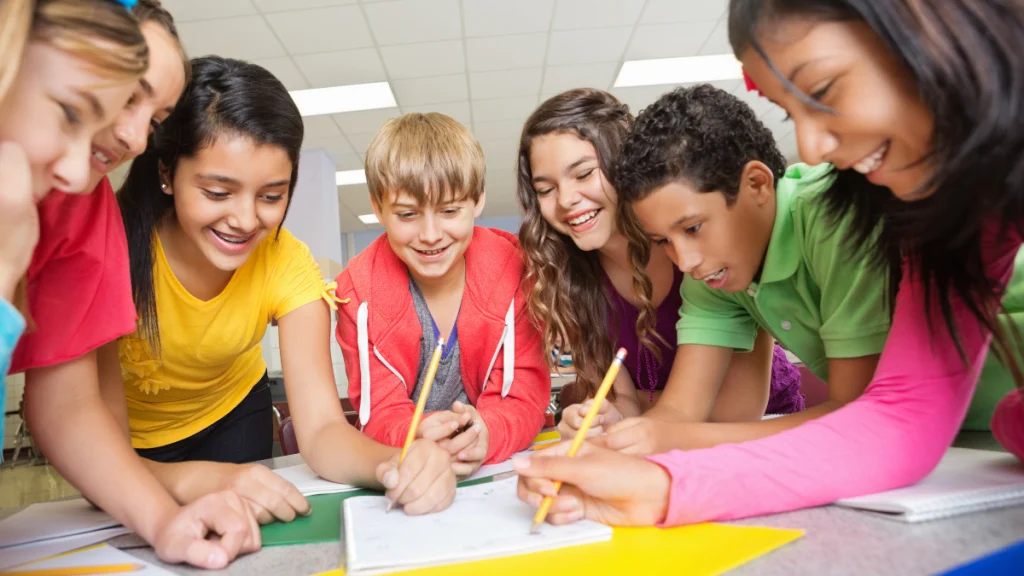
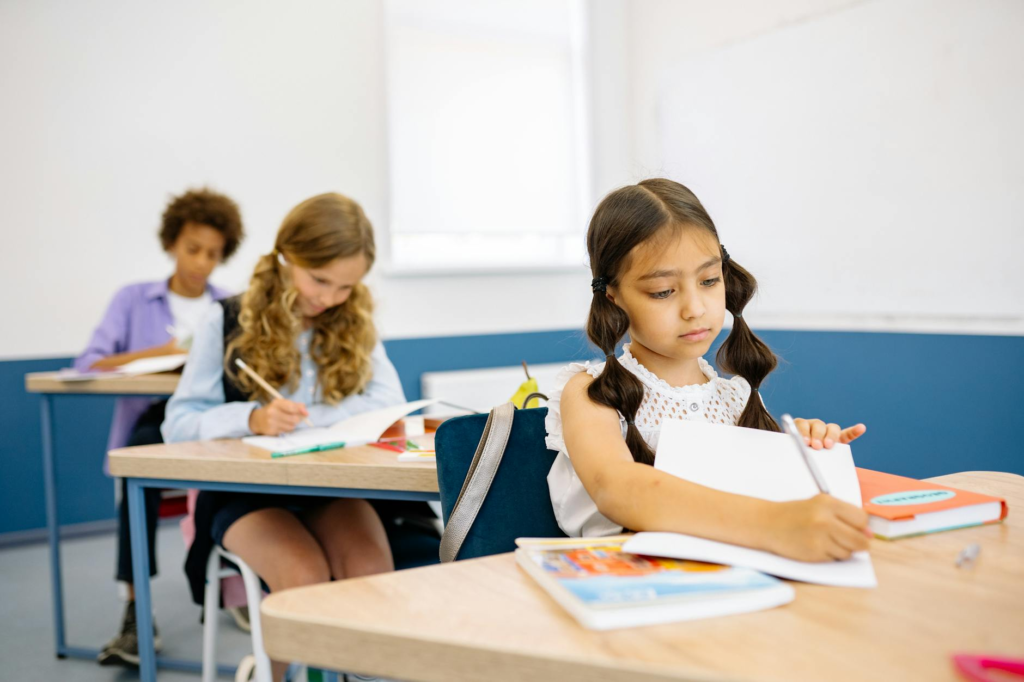
students in older grades lean over a notebook and work and write cooperatively, showing an effective learning environment with strong classroom management

7 Classroom Management Strategies for Grades 4–8 (That Don’t Fall Apart by October)

Finding effective classroom management strategies for older grades – specifically upper elementary and middle school – can be tricky. Most classroom management strategy advice is written with younger students in mind.  This isn’t because students in grades 4-8 magically learn how to behave over the summer; it’s because behavior in older grades becomes more complex,

7 Classroom Management Strategies for Grades 4–8 (That Don’t Fall Apart by October) Read More »

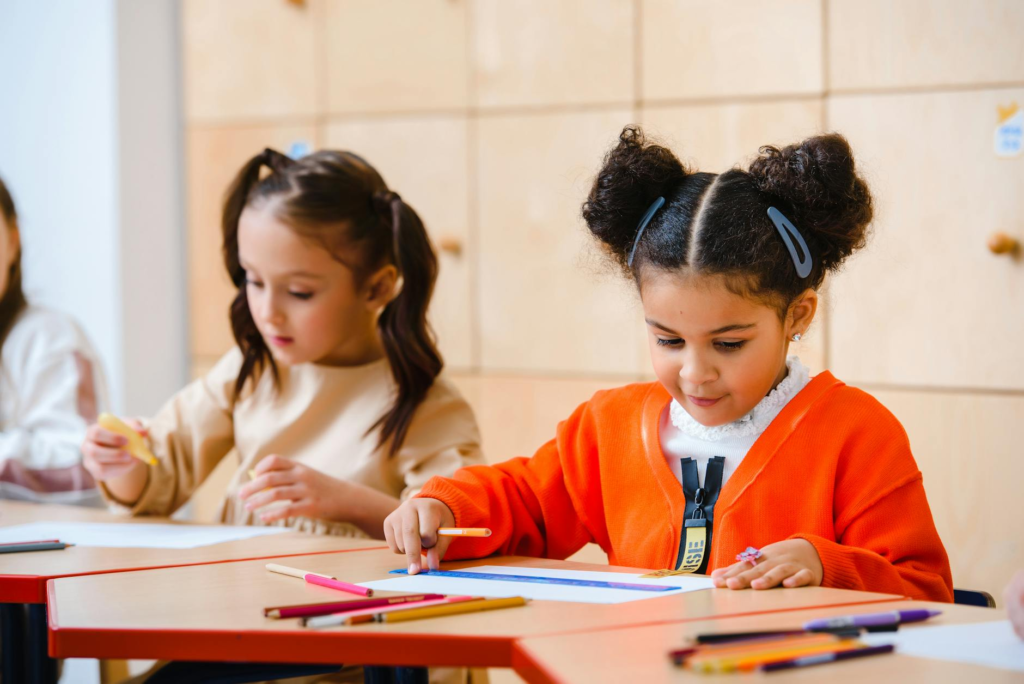
students sitting on wooden table writing

10 Back-to-School Writing Prompts (and What Each One Reveals About Your Students)

Starting a new school year is the best, isn’t it? The gleam of freshly waxed floors… The scent of pencil shavings in the air… The quiet thrill of brand-new markers… And then – the terror. You don’t know these kids. Not yet. Not their names. Not their strengths. Not their quirks. Not what they remember

10 Back-to-School Writing Prompts (and What Each One Reveals About Your Students) Read More »