February 2026

How to Teach Responsibility in the Upper Elementary Classroom (Without Behavior Charts That Fizzle Out)

Here’s a truth bomb for your Tuesday (or whenever you read this): You can’t teach responsibility in a day. In upper elementary classrooms, responsibility usually shows up as students following directions, managing their behavior, and getting their work done without constant reminders. You can create the world’s best-designed mini-lesson. You can introduce it and teach […]

How to Teach Responsibility in the Upper Elementary Classroom (Without Behavior Charts That Fizzle Out) Read More »

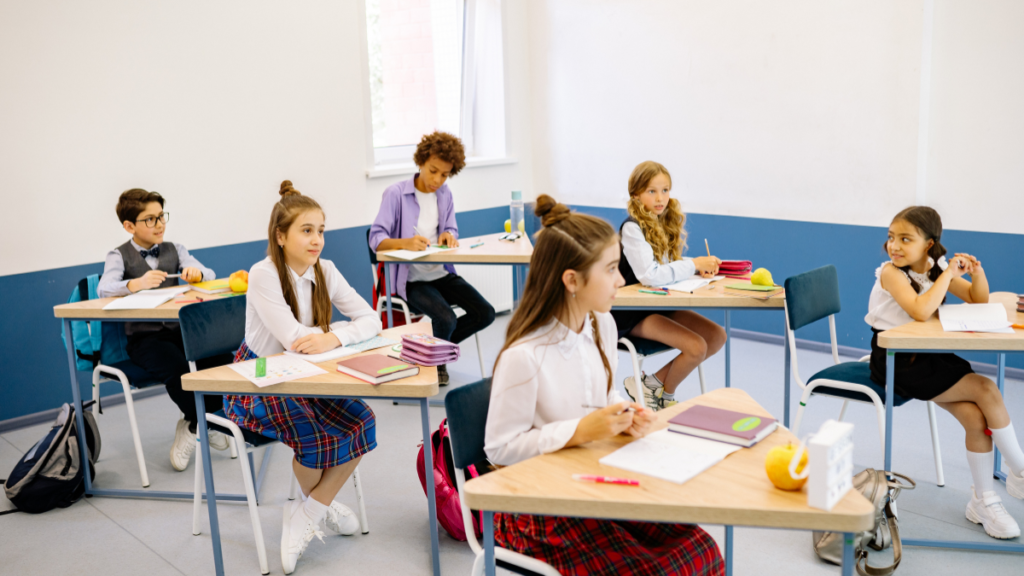
students in older grades lean over a notebook and work and write cooperatively, showing an effective learning environment with strong classroom management

7 Classroom Management Strategies for Grades 4–8 (That Don’t Fall Apart by October)

Finding effective classroom management strategies for older grades – specifically upper elementary and middle school – can be tricky. Most classroom management strategy advice is written with younger students in mind.  This isn’t because students in grades 4-8 magically learn how to behave over the summer; it’s because behavior in older grades becomes more complex,

7 Classroom Management Strategies for Grades 4–8 (That Don’t Fall Apart by October) Read More »

A blue paper ripped in a curl to reveal the word Reward, indicating a prize or award for student good behavior

Do Rewards Facilitate Learning…or Just Temporary Compliance?

If rewards really worked the way we’re told they do, classroom behavior would get easier every year. Instead, many teachers find themselves stuck in a cycle of bribing, begging, and burnout, especially in upper elementary and middle school classrooms. That’s not because rewards are useless. It’s because most reward systems are built to enforce compliance,

Do Rewards Facilitate Learning…or Just Temporary Compliance? Read More »